
Car Battery Maintenance Tips: The Complete South African Guide
Introduction
Car battery maintenance tips help drivers extend battery life, reduce unexpected breakdowns, and improve vehicle reliability. A well-maintained battery can last several years, while a neglected one may fail prematurely and leave you stranded.
South Africa's climate, road conditions, and driving habits can all affect battery performance. Whether you drive daily in Johannesburg, commute in Cape Town, or travel long distances across the country, proper battery care can save you money and prevent inconvenience.
This guide covers everything you need to know about maintaining a car battery, including testing, cleaning, charging, buying advice, and common mistakes to avoid.
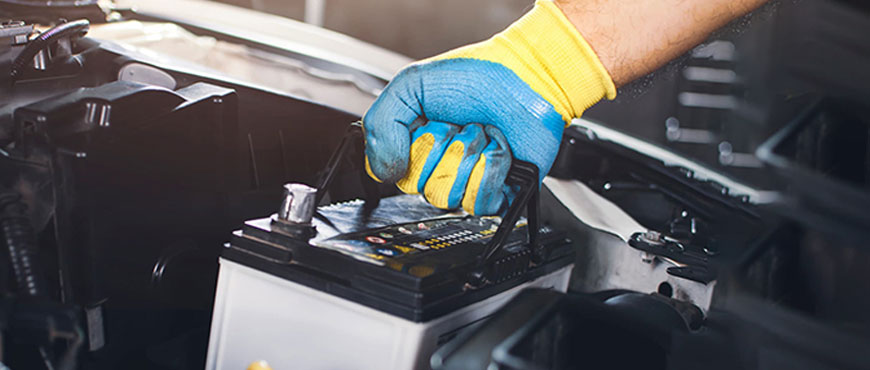
Why Car Battery Maintenance Matters
Your car battery powers:
-
Engine starting system
-
Lights
-
Radio and infotainment systems
-
Electronic control modules
-
Security systems
-
Power windows and accessories
When a battery weakens, vehicle performance can suffer. You may notice:
-
Slow engine cranking
-
Dim headlights
-
Electrical malfunctions
-
Difficulty starting the vehicle
Regular maintenance helps detect issues early and extends battery lifespan.
Benefits of Proper Battery Maintenance
-
Longer battery life
-
Fewer breakdowns
-
Better vehicle reliability
-
Lower replacement costs
-
Improved electrical performance
-
Enhanced safety
Car Battery Maintenance Tips Every Driver Should Follow
1. Inspect the Battery Regularly
A visual inspection can reveal problems before they become serious.
Check for:
-
Corrosion on terminals
-
Loose connections
-
Swollen battery case
-
Cracks or leaks
-
Damaged cables
Inspect your battery at least once a month.
2. Keep Battery Terminals Clean
Corrosion can interrupt electrical flow and reduce battery efficiency.
How to Clean Battery Terminals
-
Disconnect the negative terminal first.
-
Disconnect the positive terminal.
-
Remove corrosion using a battery cleaning solution or baking soda mixed with water.
-
Scrub gently with a brush.
-
Dry thoroughly.
-
Reconnect the positive terminal first, then the negative.
A thin layer of terminal protector can help prevent future corrosion.
3. Ensure Connections Are Tight
Loose battery terminals can cause:
-
Starting problems
-
Voltage drops
-
Intermittent electrical faults
Check that all clamps fit securely without excessive movement.
4. Avoid Frequent Short Trips
Short drives may not provide enough time for the alternator to fully recharge the battery.
If possible:
-
Combine errands into longer trips.
-
Drive for at least 20–30 minutes occasionally.
-
Use a maintenance charger if the vehicle is rarely driven.
5. Test Battery Voltage Regularly
A digital multimeter can help monitor battery health.
Typical Voltage Readings
|
Battery Condition |
Voltage Reading |
|
Fully charged |
12.6V - 12.8V |
|
Good condition |
12.4V - 12.6V |
|
Needs charging |
12.2V - 12.4V |
|
Weak battery |
Below 12.2V |
Regular testing can identify issues before battery failure occurs.
How South African Conditions Affect Car Batteries
South Africa presents unique challenges for vehicle batteries.
High Temperatures
Heat accelerates chemical reactions inside the battery and can:
-
Increase water loss
-
Damage internal components
-
Reduce battery lifespan
Vehicles parked outdoors for extended periods may experience faster battery degradation.
Long-Distance Driving
While long trips generally help charge batteries, excessive vibration on rough roads can damage battery plates and connections.
Seasonal Changes
Although South Africa experiences relatively mild winters compared to some countries, colder temperatures can still reduce battery performance, especially in older batteries.
Signs Your Car Battery Needs Attention
Watch for these warning signs:
Slow Engine Cranking
If the engine takes longer than usual to start, battery performance may be declining.
Dashboard Battery Warning Light
A battery warning light may indicate:
-
Battery issues
-
Alternator problems
-
Charging system faults
Electrical Problems
Look out for:
-
Flickering lights
-
Weak power windows
-
Radio resets
-
Electronic glitches
Swollen Battery Case
A bulging battery often indicates overheating and should be replaced immediately.
Common Car Battery Problems and Solutions
|
Problem |
Possible Cause |
Solution |
|
Car won't start |
Dead battery |
Recharge or replace battery |
|
Corroded terminals |
Acid buildup |
Clean terminals |
|
Frequent jump starts |
Aging battery |
Test and replace if necessary |
|
Dim headlights |
Low voltage |
Check charging system |
|
Battery drains overnight |
Parasitic drain |
Diagnose electrical system |
How to Extend Battery Life
Reduce Electrical Load
Avoid leaving these running when the engine is off:
-
Headlights
-
Interior lights
-
Audio systems
-
Phone chargers
-
Dash cameras
Secure the Battery Properly
A loose battery can suffer vibration damage.
Ensure:
-
Hold-down brackets are secure
-
Battery tray is stable
-
Mounting hardware is intact
Check the Charging System
Even a new battery will fail if the alternator is not charging correctly.
Have the charging system tested annually.
Keep the Battery Dry
Moisture and dirt can contribute to electrical leakage and corrosion.
Clean the battery exterior periodically.

Common Battery Maintenance Mistakes
Many drivers unintentionally shorten battery life.
Ignoring Corrosion
Small amounts of corrosion can quickly become serious if left untreated.
Waiting Until Failure
Many batteries show warning signs before complete failure.
Routine testing helps prevent unexpected breakdowns.
Buying the Wrong Battery
Not all batteries suit every vehicle.
Always follow manufacturer specifications.
Leaving the Vehicle Unused
Cars parked for weeks or months often experience battery discharge.
Use a battery maintainer if storing a vehicle long-term.
Overcharging
Improper charging can damage battery cells and reduce lifespan.
Always use a quality charger with automatic voltage control.
Car Battery Buying Guide
Choosing the right battery is just as important as maintaining it.
Consider Battery Size
The battery must fit:
-
Battery tray dimensions
-
Terminal positions
-
Vehicle requirements
Check Cold Cranking Amps (CCA)
CCA measures starting power.
Higher CCA ratings are beneficial for reliable starts.
Reserve Capacity
Reserve capacity indicates how long the battery can provide power if the charging system fails.
Higher reserve capacity offers additional protection.
Warranty Coverage
Look for:
-
Longer warranty periods
-
Nationwide support
-
Reputable manufacturers
Maintenance-Free vs Conventional Batteries
Maintenance-Free Batteries
Pros:
-
Minimal maintenance
-
Better convenience
-
Reduced water loss
Cons:
-
Usually more expensive
Conventional Batteries
Pros:
-
Lower purchase cost
-
Widely available
Cons:
-
Require more maintenance
Who Should Buy This?
Battery maintenance practices are essential for:
Daily Commuters
Regular drivers can maximize battery lifespan and reduce replacement costs.
Fleet Operators
Businesses with multiple vehicles benefit from preventative maintenance programs.
Long-Distance Drivers
Reliable batteries are critical when travelling between cities and remote areas.
Vehicle Owners Keeping Cars Long-Term
Proper maintenance protects investment and reduces operating expenses.
Expert Tips from Automotive Professionals
Experienced technicians recommend:
-
Test battery health every six months.
-
Clean terminals at the first sign of corrosion.
-
Replace aging batteries before failure.
-
Check alternator performance annually.
-
Use a smart charger for infrequently driven vehicles.
-
Keep battery connections tight and secure.
-
Follow manufacturer maintenance recommendations.
These simple habits significantly improve reliability.
Frequently Asked Questions
1. How often should I check my car battery?
A visual inspection should be performed monthly, while voltage testing should be done every three to six months.
2. How long does a car battery typically last in South Africa?
Most quality batteries last between three and five years, depending on climate, driving habits, and maintenance.
3. Can hot weather damage a car battery?
Yes. High temperatures can accelerate internal wear, increase water loss, and shorten battery life.
4. Is corrosion on battery terminals dangerous?
Corrosion can restrict electrical flow and lead to starting problems. It should be cleaned as soon as it appears.
5. When should I replace my battery?
Replace the battery if testing shows poor performance, if it struggles to start the vehicle, or if it is approaching the end of its expected lifespan.