
Common Car Battery Problems: Causes, Signs & Fixes
Introduction
Common car battery problems are one of the leading causes of vehicle breakdowns in South Africa. A car battery powers your vehicle's electrical systems and provides the energy needed to start the engine. When battery issues occur, they can leave you stranded unexpectedly.

The most common car battery problems include battery drain, corrosion, old age, charging system failures, loose connections, and extreme weather damage. Understanding these issues can help drivers prevent breakdowns, extend battery life, and avoid costly repairs.
Whether you drive daily in Johannesburg, Cape Town, Durban, or rural areas, knowing how to identify battery problems early can save both time and money.
What Is a Car Battery and Why Is It Important?
A car battery stores electrical energy and delivers power to:
-
Start the engine
-
Power headlights
-
Operate infotainment systems
-
Run electronic control units (ECUs)
-
Support safety systems
Without a properly functioning battery, your vehicle may struggle to start or fail completely.
Common Car Battery Problems
1. Dead or Flat Battery
A dead battery is one of the most frequent automotive issues.
Common Causes
-
Leaving lights on overnight
-
Faulty alternator
-
Extreme temperatures
-
Long periods without driving
-
Aging battery
Warning Signs
-
Engine cranks slowly
-
Clicking sound when starting
-
Dashboard lights dim
-
Vehicle won't start
Solution
-
Jump-start the vehicle
-
Recharge the battery
-
Replace the battery if it fails testing
2. Battery Corrosion
Corrosion forms around battery terminals and cables.
Signs of Corrosion
-
White, green, or blue buildup
-
Poor electrical connection
-
Difficulty starting
Why It Happens
Battery acid releases hydrogen gas during charging. Over time, this causes corrosion on metal terminals.
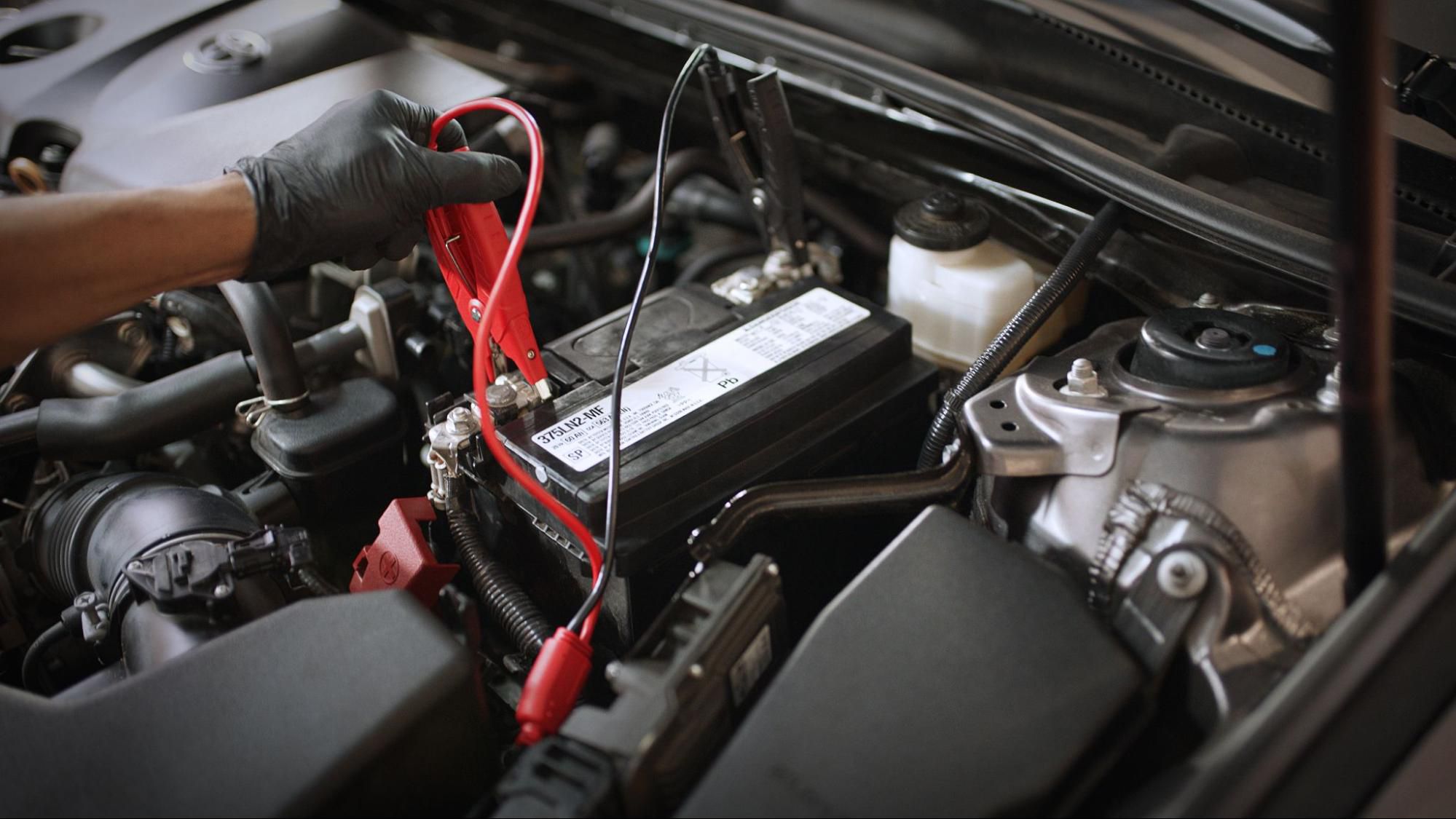
How to Fix It
-
Disconnect the battery safely.
-
Clean terminals using a battery cleaning solution.
-
Reconnect securely.
-
Apply terminal protection spray.
Pros of Regular Cleaning
-
Better conductivity
-
Improved battery performance
-
Longer battery lifespan
Cons of Ignoring Corrosion
-
Hard starting
-
Electrical issues
-
Increased repair costs
3. Battery Drain (Parasitic Drain)
Battery drain occurs when electrical components continue consuming power after the vehicle is switched off.
Common Culprits
-
Interior lights
-
Faulty alarm systems
-
GPS trackers
-
Dash cameras
-
Malfunctioning electronics
Symptoms
-
Battery repeatedly goes flat
-
Vehicle starts after charging but dies again
Prevention Tips
-
Turn off accessories before leaving the car.
-
Have electrical faults diagnosed professionally.
-
Use a battery maintainer if the vehicle sits unused.
4. Old Battery Age
Even high-quality batteries have limited lifespans.
Average Battery Life in South Africa
Most car batteries last:
|
Driving Conditions |
Expected Lifespan |
|
Normal Use |
3–5 Years |
|
Extreme Heat |
2–4 Years |
|
Heavy Stop-Start Driving |
2–4 Years |
|
Well-Maintained Vehicle |
Up to 5 Years |
Signs of an Aging Battery
-
Frequent jump-starts
-
Slow engine cranking
-
Battery warning light
-
Swollen battery case
5. Loose or Damaged Battery Connections
Poor connections can interrupt power flow.
Common Causes
-
Vibrations from rough roads
-
Improper installation
-
Worn battery clamps
Symptoms
-
Intermittent starting issues
-
Flickering lights
-
Electrical system malfunctions
Solution
Regularly inspect:
-
Battery terminals
-
Cable connections
-
Battery hold-down brackets
6. Faulty Alternator
Many drivers mistakenly blame the battery when the real issue is the charging system.
What the Alternator Does
The alternator charges the battery while the engine runs.
Symptoms of Alternator Problems
-
Battery warning light
-
Dim headlights
-
Dead battery after driving
-
Electrical failures
Common Mistake
Replacing the battery without testing the alternator.
Always test both components before purchasing a replacement battery.
7. Extreme Heat Damage
South Africa's climate can be harsh on vehicle batteries.
How Heat Affects Batteries
High temperatures:
-
Accelerate chemical reactions
-
Cause fluid evaporation
-
Damage internal battery components
Areas Most Affected
-
Northern Cape
-
Limpopo
-
North West Province
-
Free State
Prevention Tips
-
Park in shade
-
Use covered parking
-
Perform regular battery checks
8. Swollen Battery Case
A swollen battery indicates internal damage.
Causes
-
Overcharging
-
Excessive heat
-
Manufacturing defects
Risks
-
Battery failure
-
Acid leakage
-
Safety hazards
Recommended Action
Replace the battery immediately.
9. Low Battery Fluid Levels
Some batteries require maintenance.
Symptoms
-
Poor performance
-
Reduced lifespan
-
Starting difficulties
Prevention
Check fluid levels according to manufacturer recommendations.
10. Frequent Short Trips
Short journeys prevent batteries from fully recharging.
Why It Matters
Starting a vehicle uses significant power.
If trips are too short:
-
Battery remains undercharged
-
Sulfation occurs
-
Lifespan decreases
Best Practice
Take longer drives periodically to allow complete charging.
Signs Your Car Battery Needs Immediate Attention
Watch for these warning signs:
-
Slow engine crank
-
Battery warning light
-
Clicking noises
-
Dim headlights
-
Electrical issues
-
Frequent jump-starts
-
Swollen battery casing
-
Corroded terminals
Ignoring these symptoms can lead to complete battery failure.
Common Car Battery Problems Comparison Table
|
Problem |
Severity |
Can You Fix It Yourself? |
Requires Replacement? |
|
Corrosion |
Low |
Yes |
No |
|
Loose Connections |
Low |
Yes |
No |
|
Battery Drain |
Medium |
Sometimes |
Not Always |
|
Old Battery |
High |
No |
Usually |
|
Faulty Alternator |
High |
No |
Battery May Be Fine |
|
Swollen Battery |
Critical |
No |
Yes |
|
Heat Damage |
High |
No |
Often |
|
Low Fluid Levels |
Medium |
Sometimes |
Not Always |
Car Battery Buying Guide
Choosing the right battery is critical.
Key Factors to Consider
1. Battery Size
Always match manufacturer specifications.
2. Cold Cranking Amps (CCA)
Although South Africa has a generally warm climate, vehicles still require adequate starting power.
3. Reserve Capacity
Higher reserve capacity provides backup power during charging issues.
4. Warranty
Look for:
-
Minimum 18–24 month warranty
-
Nationwide support
-
Reputable suppliers
5. Brand Reputation
Choose trusted brands known for reliability and after-sales support.
Who Should Buy a New Car Battery?
A replacement battery is recommended for:
-
Drivers experiencing repeated starting problems
-
Vehicles older than three years on the same battery
-
Fleet operators
-
Daily commuters
-
Long-distance travelers
-
Drivers in high-temperature regions
Maintenance Tips to Prevent Battery Problems
Follow these simple practices:
Weekly Checks
-
Inspect terminals
-
Check for leaks
-
Look for corrosion
Monthly Checks
-
Test battery voltage
-
Secure battery mounting
-
Inspect cables
Annual Maintenance
-
Professional battery testing
-
Charging system inspection
-
Electrical system evaluation
Additional Tips
-
Avoid leaving accessories running.
-
Keep terminals clean.
-
Drive regularly.
-
Address warning lights immediately.
Common Mistakes Drivers Make
Avoid these costly errors:
-
Ignoring warning signs.
-
Replacing batteries without testing the alternator.
-
Leaving lights on.
-
Buying the wrong battery size.
-
Delaying battery replacement.
-
Neglecting maintenance.
-
Allowing corrosion to build up.
Benefits of Early Battery Maintenance
Proper battery care offers several advantages:
Benefits
-
Longer battery life
-
Improved reliability
-
Reduced breakdown risk
-
Better fuel efficiency
-
Lower repair costs
Potential Drawbacks
-
Small maintenance costs
-
Occasional professional inspections required
However, these costs are far lower than emergency breakdown expenses.