
Best Jump Starter for Trucks in South Africa
Introduction
The best jump starter for trucks is a portable power device capable of starting large petrol and diesel engines without needing another vehicle. For truck owners in South Africa, a reliable jump starter can prevent costly downtime, especially during long-distance travel, commercial deliveries, off-road adventures, and farming operations.
A dead battery can leave you stranded anywhere—from Johannesburg highways to remote rural roads. Investing in a high-quality truck jump starter ensures you can restart your vehicle quickly and safely without waiting for roadside assistance.
This guide explains everything you need to know about choosing the best jump starter for trucks, including key features, buying considerations, pros and cons, and practical recommendations.
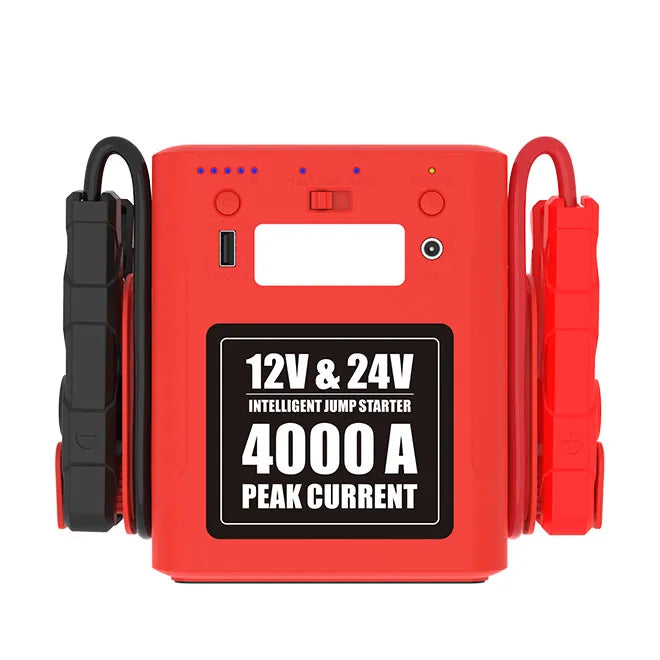
Why Every Truck Owner Needs a Jump Starter
Modern trucks depend heavily on electrical systems. Even a healthy battery can fail due to:
-
Extreme temperatures
-
Long periods of inactivity
-
Faulty alternators
-
Leaving lights on overnight
-
Battery aging
-
Accessory power drain
A portable jump starter provides immediate assistance when these situations occur.
Benefits of Owning a Truck Jump Starter
-
Independence from roadside assistance
-
Faster emergency recovery
-
Portable and easy to store
-
Works in remote locations
-
Can charge phones and devices
-
Useful for multiple vehicles
For South African truck operators, where long distances between service stations are common, a jump starter can be a valuable emergency tool.
Best Jump Starter for Trucks: Key Features to Look For
Choosing the right jump starter requires understanding several important specifications.
1. Peak Current Rating
Peak current determines the maximum power available during startup.
General recommendations:
|
Engine Type |
Recommended Peak Current |
|
Small petrol trucks |
1000A–1500A |
|
Large petrol trucks |
1500A–2000A |
|
Diesel trucks up to 6L |
2000A–3000A |
|
Heavy-duty diesel trucks |
3000A+ |
The larger the engine, the more starting power required.
2. Battery Capacity
Battery capacity is measured in milliamp-hours (mAh).
Recommended capacities:
-
Light-duty trucks: 15,000–20,000 mAh
-
Medium-duty trucks: 20,000–30,000 mAh
-
Heavy-duty trucks: 30,000+ mAh
Higher capacity generally means more jump starts between charges.
3. Lithium vs Lead-Acid Technology
Lithium Jump Starters
Pros:
-
Lightweight
-
Compact
-
Faster charging
-
Longer lifespan
-
Better portability
Cons:
-
Higher purchase price
Lead-Acid Jump Starters
Pros:
-
Lower upfront cost
-
Reliable for occasional use
Cons:
-
Heavy
-
Bulkier
-
Slower charging
Most truck owners today prefer lithium-powered models due to convenience and performance.
4. Safety Features
Look for:
-
Reverse polarity protection
-
Spark-proof technology
-
Over-current protection
-
Overcharge protection
-
Short-circuit protection
-
Temperature monitoring
Safety features help protect both the vehicle and the user.
5. Additional Functions
Many premium jump starters include:
-
USB charging ports
-
LED emergency flashlight
-
SOS mode
-
Air compressor
-
Power bank capability
-
LCD display
These extras can be useful during roadside emergencies.

Comparison Table: Truck Jump Starter Features
|
Feature |
Basic Model |
Mid-Range Model |
Premium Model |
|
Peak Current |
1000A |
2000A |
3000A+ |
|
Battery Capacity |
15,000 mAh |
20,000–25,000 mAh |
30,000+ mAh |
|
Diesel Support |
Limited |
Good |
Excellent |
|
USB Charging |
Yes |
Yes |
Yes |
|
LCD Display |
No |
Yes |
Yes |
|
Safety Features |
Basic |
Advanced |
Advanced |
|
Suitable For |
Small trucks |
Most trucks |
Heavy-duty trucks |
How to Choose the Best Jump Starter for Your Truck
Consider Your Engine Size
Always match the jump starter to your engine requirements.
Examples:
-
2.5L petrol pickup: 1000A–1500A
-
3.0L diesel bakkie: 1500A–2000A
-
5.0L diesel truck: 2000A–3000A
-
Commercial heavy-duty truck: 3000A+
Think About Usage Frequency
Occasional users may prefer:
-
Mid-range capacity
-
Compact design
Frequent users may need:
-
Larger battery capacity
-
Rugged construction
-
Faster recharge capability
Evaluate Climate Conditions
South Africa experiences:
-
Hot summers
-
Cold winter mornings in some regions
Choose a jump starter with a wide operating temperature range.
Check Charging Time
A fast-charging unit is more convenient and ensures readiness when needed.
Common Mistakes When Buying a Truck Jump Starter
Many buyers focus only on price.
Avoid these mistakes:
Buying Insufficient Power
A jump starter that works for a car may not start a diesel truck.
Ignoring Safety Certifications
Cheap products may lack essential safety protections.
Choosing Based Only on Capacity
Peak current is often more important than battery capacity.
Forgetting Portability
Some units are too large for practical storage.
Neglecting Maintenance
Even the best jump starter requires periodic charging.
How to Use a Truck Jump Starter Safely
Follow these steps:
-
Turn off vehicle accessories.
-
Connect red clamp to positive terminal.
-
Connect black clamp to negative terminal.
-
Turn on the jump starter.
-
Start the truck.
-
Remove clamps in reverse order.
Safety Tips
-
Read the manufacturer instructions.
-
Never connect clamps incorrectly.
-
Avoid use near flammable materials.
-
Keep the unit dry.
-
Store in a temperature-controlled environment.
Pros and Cons of Truck Jump Starters
Pros
-
Portable emergency solution
-
No need for another vehicle
-
Useful for multiple applications
-
Can power electronic devices
Cons
-
Requires regular charging
-
Premium models can be expensive
-
Limited effectiveness if battery damage is severe
Buying Guide: Best Jump Starter for Trucks
Before purchasing, ask yourself these questions:
What Engine Will You Start?
The jump starter should exceed your engine's starting requirements.
How Often Will You Use It?
Commercial operators need higher durability than occasional users.
Do You Need Extra Features?
Consider whether features like:
-
USB charging
-
Flashlights
-
Air compressors
-
Digital displays
justify the added cost.
Is It Suitable for South African Conditions?
Look for:
-
Durable casing
-
Dust resistance
-
Heat tolerance
-
Long battery life
Who Should Buy This?
A truck jump starter is ideal for:
Fleet Operators
Minimise downtime and improve productivity.
Long-Distance Drivers
Perfect for remote routes where assistance may be unavailable.
Farmers
Useful for agricultural vehicles operating far from workshops.
Construction Companies
Supports equipment and trucks working in isolated locations.
Outdoor Enthusiasts
Excellent for camping, overlanding, and off-road adventures.
Maintenance Tips for Longer Lifespan
Keep your jump starter performing at its best by:
-
Charging every 3–6 months
-
Storing in a cool, dry location
-
Cleaning battery clamps regularly
-
Checking cable condition
-
Avoiding complete battery discharge
Regular maintenance can significantly extend service life.